



The big dragon in the east is relectant to import technology and most of all being reliant on technology developed outside of the country, not the least processors from Intel and AMD, but it’s not easy to make such products on your own. China is now about to choose its own processor architecture, that will be used within the country – and it will not be x86.
The problem for a country like China when it comes to processors both AMD and Intel are based in USA, and work closely with both the militairy and the government. China has been working a long time to find a way of not being reliant on the West and its x86 architecture, which is easier said than done. There have been experiments with several alternatives, the best known being the Loongson project based on the MIPS architecture that was launched inside multiple servers and retail products in China. What makes Loongson special is that it sports over 200 instructions for emulating x86 code, with a performance loss of only 30 percent on average.
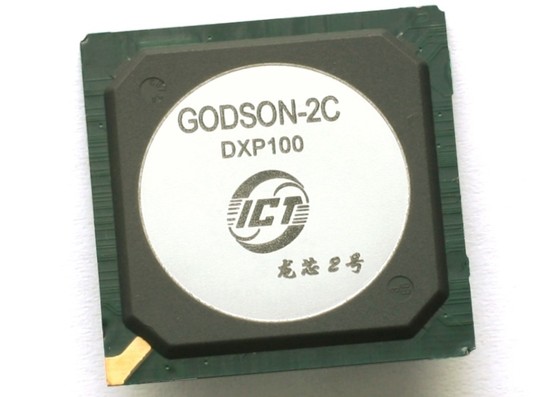 Native processor based on MIPS, capable of emulating x86 code
During March around 20 Chinese organizations, including communications giants like Huawei and ZTE, to discuss a national processor architecture standard. It is still not entirely clear what the exact role would be for the architecture, but more likely it will be mandatory for all projects and organizations that seek government grants for purchasing everything from compatuers to phones, that the money is spent on the chosen architecture standard. Exactly how important it will be to use the set standard is impossible to say, since all discussions are held behind closed doors.
Which standard it will pick can only be speculated. One alternative would be for the government to acquire MIPS, since it already designs the Loongson processors according to that standard. It could also mrge with another partner and build on a new instruction set, or simply break free and build a whole new instruction set from scratch, which feels unlikely though. We don’t know when the new standard will be set, and a decision will not come before later this year or early 2013.
Source: EETimes
No active posts found.